

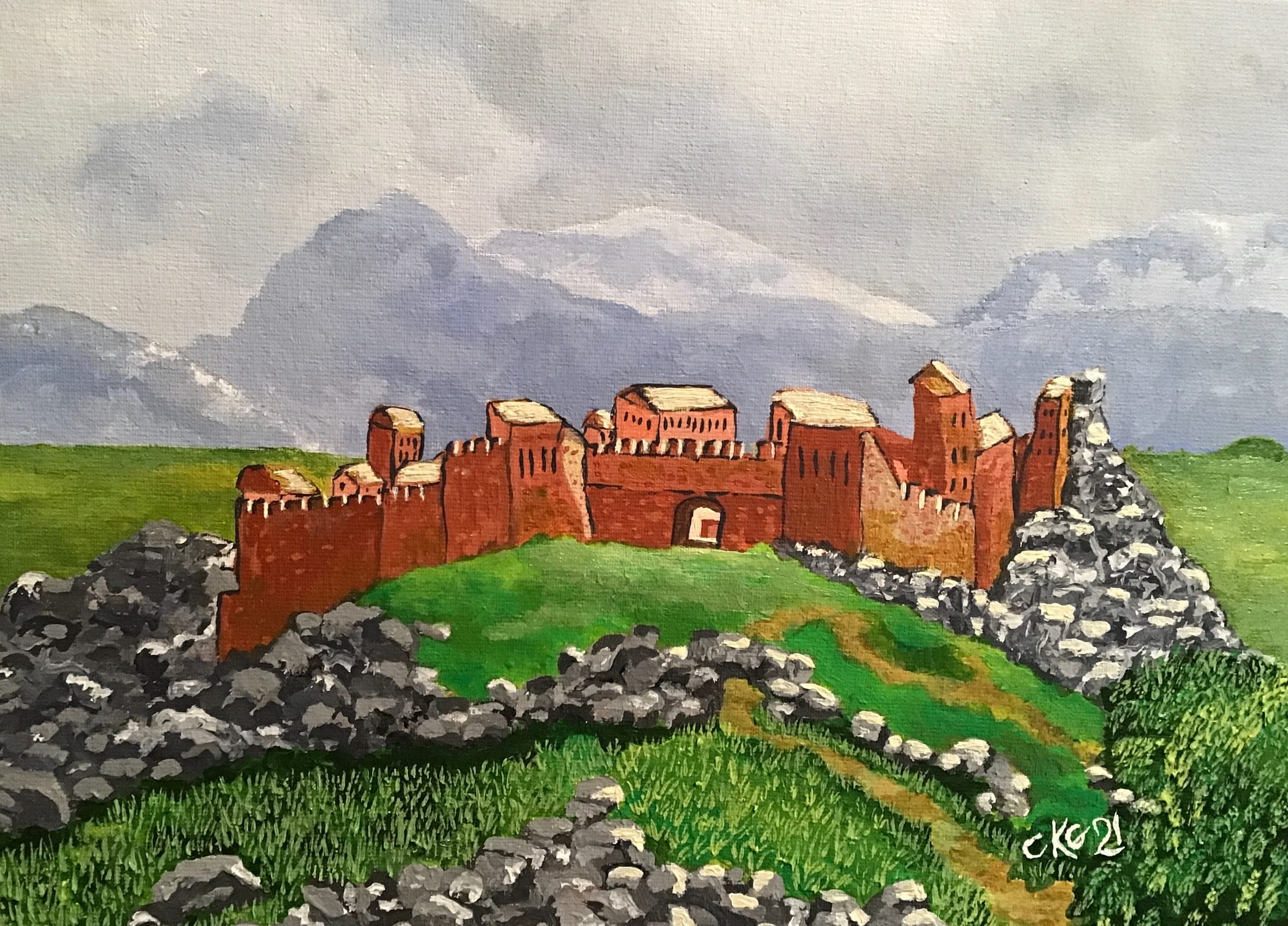
A popular video game genre is known as tower defense. In this type of game, the player is tasked with defending a tower, castle, or some other fortress from a horde of approaching invaders. As the player acquires experience, they gain access to better weapons and more defenses.
But there's a problem: the enemies keep coming! Not only that, but the enemies get more powerful, just as the player does.
With most of these games, there's no way to achieve a true victory.
You can hold out longer as you level-up, but eventually your defenses collapse and your tower is overrun.
No matter how strong you are, the game's designers have programmed your inevitable defeat in advance. (And why not? They want you to keep playing, watching ads they get paid for or making in-app purchases they've enabled to make more money.)
Modern productivity methods are like these games. They teach you to work harder, helping you reach a higher “level” of optimization, before causing your inevitable defeat.
"Getting things done,” AKA GTD, is a classic tower defense game. By following its methods, you get better at certain repeatable actions, but the things don’t stop coming. In fact, the more things you do, the more things will return!
The emails and messages you send out will come boomerang-ing back to you in the form of replies
The tasks you complete will lead to other tasks and more projects
If you’re working with colleagues, they’ll see how productive you are—and then give you more work to be done
And it’s not just about the work that other people assign you: most likely, if you are achievement-oriented, you seek out greater punishment for yourself. YOU are the culprit.
Or at least, I was.
For many years I had a deeply internalized belief that my self-worth was tied to what I achieved and accomplished.
In short, I kept playing the game. (It's addictive.) I got to a high level. (I was good at it!) Usually, even in the hardest video game, the final boss always has a weakness. It might take a lot of attempts and much trial and error, but eventually the player can emerge victorious.
But GTD is like a video game that’s glitched. It's impossible to beat! There's a kill screen in which you have no choice but to start all over.
So what do you do—should you just give up?
Maybe.
I mean, why not? What’s the worst that can happen?
(I haven’t had voicemail in six years. I also sometimes go weeks without reading most email.)
But even if you don’t opt out entirely, at least start THINKING about the game differently. Understand that since it’s unbeatable at a base level, you must learn to play it differently.
Decide for yourself what actually needs to be done. A general rule of life is: if you don’t decide for yourself, someone else will. And while life is usually better when you stop trying to control everything, your decision about what really matters is worth fighting for
Identify a maximum of THREE priorities for any given day—maybe even only one. Downsize the big list, then downsize it some more. Every choice comes with a cost
Pay attention to what you finish, not what remains to be done. The monsters will keep coming, and so will the tasks. But did you vanquish some of them today? If so, celebrate. (And if not: stop beating yourself up all the time. Live to fight another day.)
Since this is A Year of Mental Health, I want to remind you—and me—that you don’t have to live by the rules of uber-productivity.
These rules don’t work for everyone, if they ever worked for anyone, and they aren’t the only way to live. For those of us with neurodivergent minds, traditional productivity systems were never designed to work with our unique strengths.
It is also possible to design your life and work in a way that integrates challenge and focus (these values are positive, after all) without stressing you out all the time.
In closing, I encourage you: stop defending the castle. Let's build a productivity system that actually works for us.
As a GTD practitioner of many decades (and probably not neurodivergent), GTD is a system that has helped me reduce the cognitive load where I worry I’ve dropped an important ball and break big undefinable projects into small discrete steps. It has also allowed me to be more discerning about my available energy and interest to let things go. Life keeps coming and developing a GTD system or practice was one of the best things I did with my 30s. This player will keep playing!
I think GTD is a double-edged sword for sure. But I like how my mind is free and clear when I write everything down. I don't necessarily have to do everything on my list--that's where the the Someday Maybe pile and the Weekly Review comes in. But the peace that I don't have to carry all the things that I want/need to do in my head is definitely worth it. I think, at a higher level, it's about being able to see everything you need to do from a bird's eye POV, which then allows you to prioritize based on where you want to be in X years. Honestly, having everything that you have on your plate in front of you in that so-called "trusted system" just affords so much clarity, I'd still recommend GTD just for that purpose alone.